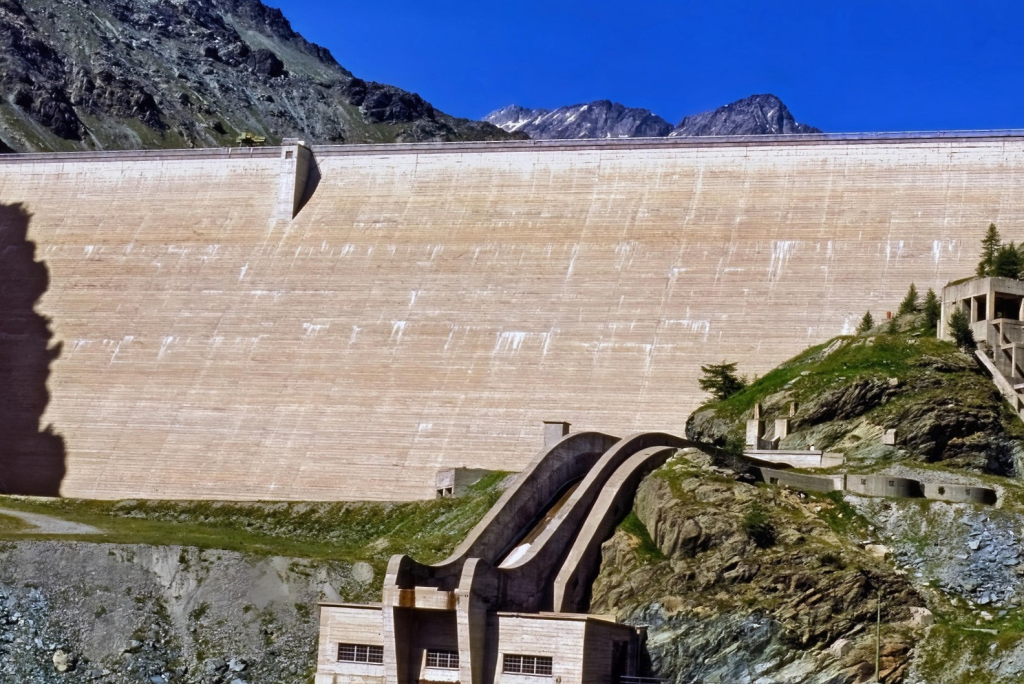
Circular Energy Infrastructure develops circular energy infrastructure initiatives across renewable asset systems, focused on recoverability, long-horizon continuity, and standards-aligned execution.
Infrastructure is designed to materially minimize harm across the full lifecycle and retain responsibility beyond end-of-life.
Circular Energy Infrastructure (CEI) focuses on the circularity of renewable energy infrastructure, advancing technology and methods that aim to cause minimal harm throughout the full lifecycle, from R&D to decommissioning.
End-of-life handling remains one of the most overlooked aspects of the transition, and is therefore a core focus area for CEI. Infrastructure that is not designed for responsible, minimal-harm removal at end-of-life cannot credibly support circularity.
CEI’s mission is to bring this neglected aspect to the forefront by developing and supporting R&D for more circular energy infrastructure, and by advancing standards that enable international uptake of both the infrastructure itself and the end-of-life principles it requires.
The current market reality is that renewable build-out is accelerating faster than lifecycle accountability, creating future material, regulatory, and capital liabilities that cannot be ignored once they are brought into view. This is where CEI comes into play.
For investors, CEI initiatives are structured for staged capital entry, progressing from architecture validation through execution entities capable of institutional participation.
CEI develops reference architectures, standards pathways, and execution entities designed to make circular infrastructure technically deployable and financially credible. The platform operates where permitting, engineering, and capital discipline meet physical reversibility: ensuring that the next generation of energy infrastructure can be built to scale without locking in permanent material and regulatory liabilities.
Circularity principles are translated into execution-bound initiatives that can progress through modelling, standards alignment, and capital structuring before engineering engagement.
The platform’s current focus is on initiatives where end-of-life reversibility materially reduces regulatory, financial, and ecological exposure across the asset lifecycle.
CEI serves as the platform for the conception and early-stage incubation of circular energy transition initiatives. It provides the legal and operational home for initiatives in formation and acts as a holding vehicle as they mature into Stage 2 execution entities and enter real-world production.
Circular Hydro Decom & Transition Solutions and Circular Wind Foundations are the first initiatives progressing through this pathway, each addressing a different part of the energy transition through circular infrastructure logic, lifecycle accountability, and structured pathways for decommissioning, recovery, and reuse.
Work completed to date includes lifecycle modelling, certification pathway engagement, and architectural exploration aimed at reducing decommissioning risk while improving regulatory and investment clarity.
The initiative is progressing toward engineering collaboration and staged capital engagement.
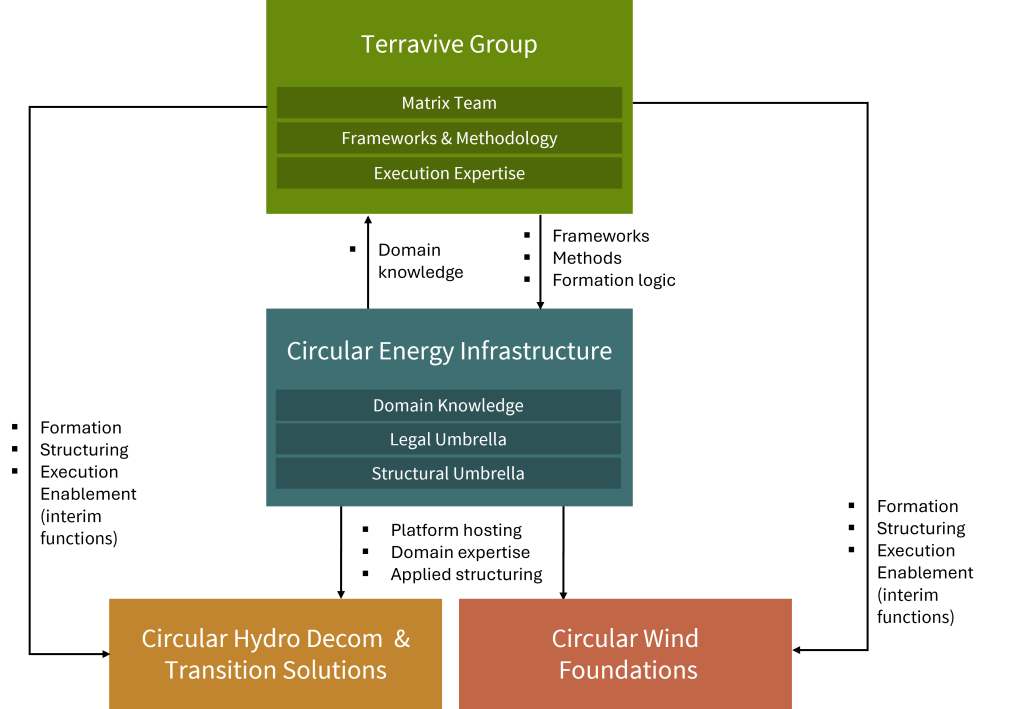
The diagram reflects the operational relationship between TG, CEI and CEI flagship initiatives. Terravive Group provides structuring logic, methodologies, and execution expertise, while CEI contributes domain knowledge and platform hosting where applicable.
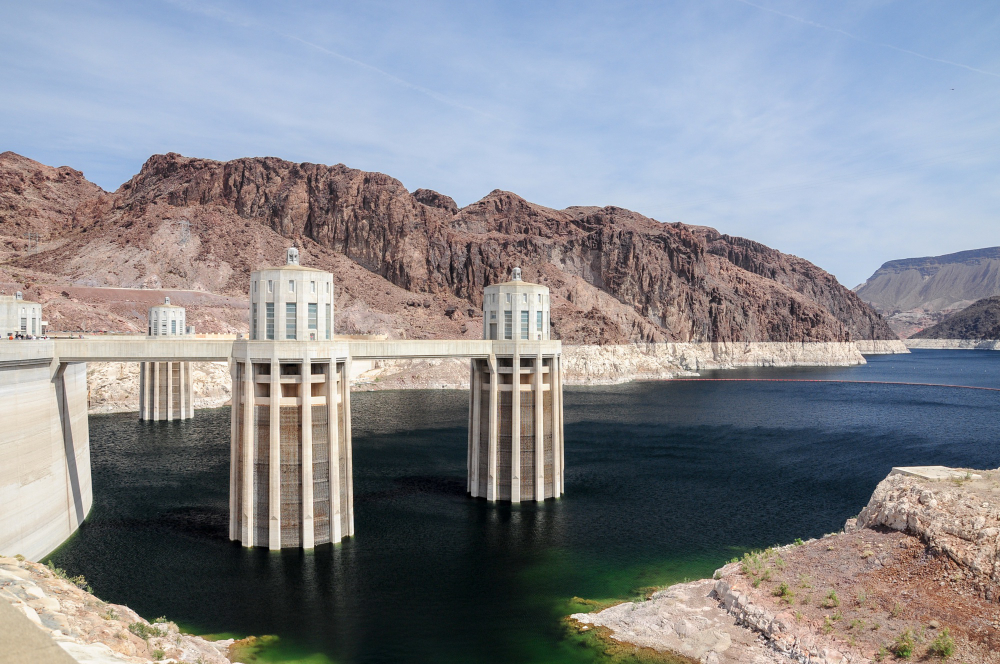
The platform structure allows shared standards development, certification pathway learning, and capital efficiency across energy domains while enabling domain-specific execution
Each initiative is designed to become an independent execution entity, capitalized and governed to persist beyond platform incubation. CEI maintains strategic ownership while enabling institutional co-investment at scale.
Information about specific initiatives may be requested through the respective programme pages, where technical and collaboration details are provided.
CEI advances energy asset architectures that remain removable, accountable, and circular across their full lifecycle. Work is currently underway to mobilize early-stage capital for the following initiatives:
Circular Wind Foundations: Removable onshore turbine foundations
Circular Floating Wind Systems: Removable offshore foundation systems
These initiatives target infrastructure domains where lifecycle accountability gaps are already forming, prioritizing interventions that can prevent long-term material, environmental, and regulatory liabilities.

128 City Road
London EC1V 2NX
United Kingdom
Copyright © Terravive Group 2025. All Rights Reserved.
Companies House reg. no 16233378